
Introduction to Resilience
Resilience is that invisible superpower helping us bounce back from life’s curveballs. But did you know there are four types of resilience? Understanding these can truly change the way you tackle adversity. Whether it’s physical, mental, emotional, or social, building resilience is like crafting a multi-tool arsenal to face challenges and come out stronger. Resilience isn’t just a trait you’re either born with or without; it’s a skill that can be cultivated and practiced to improve your overall well-being (source). Learning about these types of resilience opens doors to developing these essential characteristics that help us thrive.
Definition of Resilience
At its core, resilience means the ability to recover from difficulties, adapt to change, and keep going when things get tough. Think of it as a mental, emotional, and physical elasticity that prevents you from breaking when stretched. The American Psychological Association highlights that resilience is not about avoiding stress but managing it successfully by using coping skills and a positive mindset.
Importance of Understanding Different Types of Resilience
Recognizing the four types of resilience is crucial because it helps you identify which area needs more focus and growth. For example, you might have strong physical stamina but struggle with emotional regulation, or vice versa. By breaking resilience down, you take a more targeted approach to strengthening resilience where you need it most. You can also explore helpful tactics for building resilience strategies and enhancing your mental toughness (meaning resilient person).
Physical Resilience
What is Physical Resilience?
Physical resilience involves your body’s capacity to endure, recover, and adapt to physical stress and challenges. It’s your physical stamina and strength, your ability to bounce back from injuries, illnesses, or exhaustion. Imagine your body as a rubber band—how quickly can it stretch and spring back without damage? That’s physical resilience in action. It underpins overall health and helps maintain energy and vitality for day-to-day living.
Examples and Real-life Applications
Consider athletes recovering from injury or people managing chronic health conditions who continue to live fulfilling lives. Bethany Hamilton, the professional surfer, embodies physical resilience like no other. After losing her arm to a shark attack, she quickly adapted and returned to competitive surfing, demonstrating incredible physical and mental resolve (more on Bethany in our real-life success stories section). Even simple daily examples, such as getting through a demanding workday or bouncing back from a cold, showcase physical resilience at work.
How to Strengthen Physical Resilience
Boosting your physical resilience isn’t rocket science but requires consistent habits:
- Regular physical fitness routines
- Balanced nutrition
- Adequate sleep
- Stress management techniques
Just like mental resilience, your body’s strength improves over time with proper training and care—sort of like upgrading the engine in your favorite car.
Mental Resilience
Understanding Mental Resilience
Mental resilience is your brain’s ability to stay strong when life puts up roadblocks. It’s about mental toughness and mental flexibility—when things go wrong, can you not just cope but adapt and grow? It’s the mindset that refuses to quit, allowing you to keep perspective and bounce back. Adopting a new perspective on challenges plays a huge role here (learn more). It’s all about rewiring your brain to see obstacles as opportunities rather than threats.
Mental Resilience in Challenging Situations
Picture dealing with job loss, the pressure of exams, or stressful relationships. Your mental health gets tested, but strong mental resilience helps you stay composed and think clearly. People who have developed this trait often approach problems with a solutions-oriented mindset and can regulate their emotions effectively. If you want to dig deeper, we have a detailed guide on strengthening your mental fortitude (read here).
Strategies to Develop Mental Resilience
Building mental resilience requires intentional practice, such as:
- Mindfulness meditation
- Positive self-talk
- Setting realistic goals
- Seeking help when needed
These techniques not only reduce stress but also empower you to grow and navigate life’s ups and downs with confidence (resource).
Emotional Resilience
Defining Emotional Resilience
Emotional resilience means having the emotional strength to handle tough feelings and bounce back from emotional setbacks. It’s the ability to maintain emotional well-being despite stress, trauma, or disappointments. Core components include self-belief, self-compassion, and enhanced cognition (dive deeper). Think of it as an emotional shock absorber, allowing you to stay balanced instead of overwhelmed.
Examples of Emotional Resilience
Imagine going through heartbreak, loss, or failure but eventually recovering stronger and wiser. Celebrities like singer Jewel have openly shared stories of their emotional resilience, demonstrating how facing inner battles can lead to healing and growth. On a daily level, emotional resilience helps you manage anxiety, work stress, or difficult relationships without losing your cool.
Ways to Build Emotional Resilience
To cultivate emotional strength, try:
- Practicing emotional regulation techniques
- Building emotional intelligence
- Cultivating supportive relationships
- Regular self-reflection
These practices help you weather emotional storms and bounce back quicker.
Social Resilience
What is Social Resilience?
Social resilience is about how well you can maintain and use social connections to recover from hardships. It involves having strong support systems, feeling connected, and being part of a community. When tough times hit, social resilience acts as your safety net, providing comfort and resources.
Role of Social Connections and Support Networks
Studies show that strong social ties can reduce the risk of chronic disease and promote better health outcomes (source). Friends, family, coworkers, or support groups all contribute to this network of strength. Communities recovering from disasters often highlight how social resilience can make or break recovery efforts.
Improving Social Resilience
To enhance your social resilience, focus on:
- Building authentic relationships
- Joining community groups
- Developing communication skills
- Being there for others as they are for you
It’s all about strengthening your support system and embracing connection as a key to resilience.
How the Four Types of Resilience Interact
Integration of Physical, Mental, Emotional, and Social Resilience
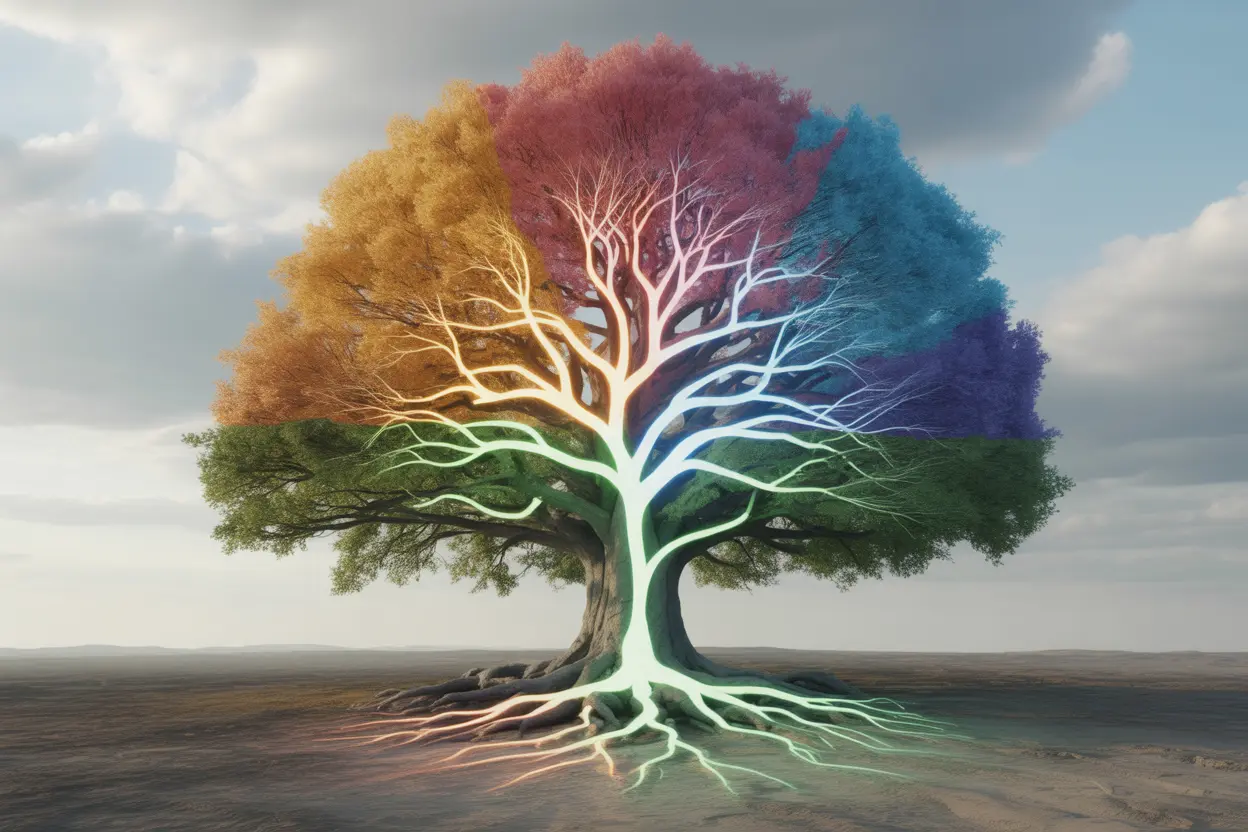
The four types of resilience don’t exist in silos—they overlap and support each other like the legs of a sturdy stool. When your physical health is strong, your mental clarity improves; emotional stability makes social interactions smoother; and having a supportive social network bolsters your mental and emotional resilience. Together, they create a balanced framework for coping with adversity in a holistic way.
Holistic Approach to Building Resilience
Approaching resilience as an interconnected whole means you don’t just fix one area but nurture all aspects continuously. This holistic view leads to a more sustainable and effective way to bounce back and thrive.
Real-life Success Stories Illustrating the Four Types of Resilience
Physical Resilience: Example of Bethany Hamilton
Bethany Hamilton is a prime example of physical resilience. After surviving a shark attack that resulted in the loss of her arm, she didn’t give up on surfing. Instead, she adapted her technique and went on to compete at professional levels. Her story illustrates how physical strength, combined with mental and emotional grit, fuels resilience in action.
Emotional Resilience: Example of Singer Jewel
Singer Jewel’s journey through personal struggles, including poverty and emotional hardships, highlights emotional resilience. By embracing vulnerability and healing, she cultivated her emotional strength and became an inspiration for many dealing with similar challenges.
Social and Mental Resilience Case Studies
Countless stories of recovery from trauma or crisis showcase the power of strong social ties and mental resilience. For instance, the Resilience Together Association documents community efforts where mental coping skills combined with social networks empower individuals to rebuild their lives after disasters—showing how resilience thrives in connectedness and inner strength.
FAQs
What are the 4 types of resilience?
The four types of resilience include physical, mental, emotional, and social. Physical resilience relates to your body’s ability to recover from stress; mental resilience is your mind’s ability to tackle challenges; emotional resilience covers managing feelings effectively; and social resilience involves leveraging supportive relationships. Together, they offer a comprehensive way to recover and thrive after adversity.
How can I improve my physical resilience?
Improving physical resilience involves consistent exercise, proper nutrition, sufficient sleep, and stress management practices. Activities like cardio, strength training, and flexibility exercises strengthen your body’s capacity to withstand and bounce back from physical challenges. Think of it as building a stronger foundation for your wellbeing.
What is the difference between mental and emotional resilience?
Mental resilience centers on how well you can handle stressors and think clearly under pressure, focusing on cognition and mindset. In contrast, emotional resilience deals with how effectively you manage and recover from emotional upheavals. While mental resilience is about mental toughness and adaptability, emotional resilience is more about emotional regulation and strength.
Why is social resilience important?
Social resilience is vital because humans are inherently social beings; strong connections help us cope better with stress and adversity. Social networks provide emotional support, practical help, and a sense of belonging. Research shows that good social ties can reduce the risk of chronic disease and improve overall health, making social resilience a key to long-term wellness.
Can resilience be developed over time?
Absolutely! Resilience isn’t fixed—it can be built and strengthened through intentional practices like mindfulness, positive thinking, physical fitness, and nurturing supportive relationships. With regular effort, anyone can enhance their mental, emotional, physical, and social resilience to better face life’s challenges.
Conclusion
Understanding the four types of resilience — physical, mental, emotional, and social — is essential to building a well-rounded and effective approach to coping with life’s challenges. Each type plays a crucial role and they often interact, supporting one another. By actively working to develop all four, individuals can enhance their ability to recover from setbacks, maintain well-being, and thrive in various circumstances. Think of resilience as a garden—when all parts are nourished, it blossoms beautifully.
For further insights into becoming a resilient person, check out our articles on being a resilient person and how to build resilience for valuable tips and inspiration.