
Understanding Mindset Shift
Definition of Mindset Shift
So, what exactly does how to shift your mindset mean? At its core, a mindset shift is a fundamental change in your thoughts, beliefs, and attitudes. Think of it as changing the lens through which you view the world—a cognitive makeover that reroutes your habits, reactions, and ultimately your life’s outcomes. This change isn’t just about thinking positively; it’s about reshaping your entire mental framework to embrace new perspectives and possibilities.
Importance of Mindset Shifts in Personal Growth
Embracing how to shift your mindset can be a truly transformative process for personal development. When you deliberately adjust your mental patterns, you unlock potential you might not have realized was there. This shift allows for greater emotional resilience, improved decision-making, and the ability to tackle challenges with renewed confidence. Curious about how this transformation can take shape? It’s a journey that mirrors the insights shared in Mindset Shifts: Unlock Your Success & Transform Your Life.
The Psychology Behind Mindset Shifts
How Beliefs Shape Mindsets
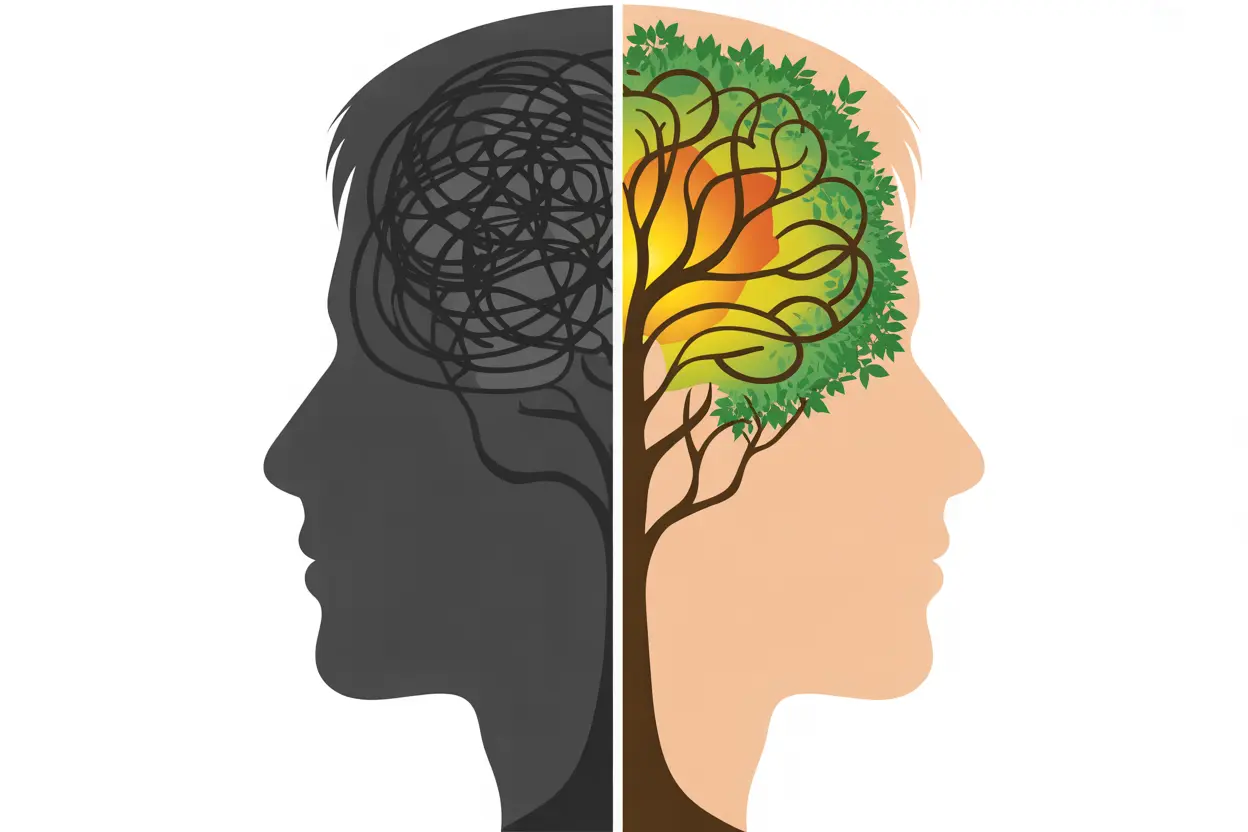
Ever noticed how belief systems act like the roots of a tree? Strong beliefs form the foundation of your mindset, framing how you interpret experiences and make choices. When you explore how to shift your mindset, you’re basically delving into reshaping those roots—replacing limiting beliefs with empowering ones. This concept is well highlighted in Carol Dweck’s pioneering research, where she illustrates how a growth mindset contrasts dramatically with a fixed mindset.
Neurological Aspects of Changing Mindsets
Changing your mindset isn’t just mental gymnastics; it’s science in action. Thanks to neuroplasticity — the brain’s ability to form new neural connections — our brains can literally rewire themselves with consistent effort. This neurological flexibility means how to shift your mindset is accessible to everyone willing to engage with the process. To dive deeper, check out this fascinating overview of the brain’s ability to form new neural connections.
Common Types of Mindset Shifts
From Fixed to Growth Mindset
One of the most popular mindset shifts is moving from a fixed mindset to a growth mindset. This switch involves transitioning from believing your abilities are static to viewing them as malleable and improvable. It’s like upgrading your mental software to a version that constantly learns and evolves. For a practical guide on making the switch to a growth-oriented outlook, take a peek at this Shift From Fixed to Growth Mindset: A Practical Guide.
Shifting Limiting Beliefs to Empowering Ones
We all carry limiting beliefs that hold us back—thoughts like “I’m not good enough” or “I can’t change.” The magic of how to shift your mindset lies in identifying these negative patterns and deliberately challenging them. Tools like proven cognitive restructuring techniques empower you to transform your inner dialogue into one that encourages positive thinking and self-efficacy. Learn more about these techniques here. By consciously reshaping your self-talk, you pave the way for behavioral change and renewed motivation.
How to Initiate a Mindset Shift
Recognizing the Need for Change
The first step in how to shift your mindset is becoming self-aware enough to see when your current thinking limits you. Maybe you hit a plateau or find yourself stuck in negative thought patterns. That moment of recognition is crucial—it’s your awakening to the possibility of growth. Often, this realization comes during challenging life events, as explored in a study on mental health and life events.
Techniques for Changing Your Mindset
Ready to take action? Here are some powerful strategies to kickstart your mindset shift:
- Self-Reflection and Mindfulness: Pause and observe your thoughts without judgment. This helps build psychological flexibility.
- Journaling: Write down your limiting beliefs and actively reframe them into empowering affirmations.
- Goal Setting: Break down your journey into achievable milestones, fueling motivation.
- Seeking Feedback: Engage with mentors or peers who can offer perspectives you might miss.
- Practice Resilience Building: Develop emotional resilience by embracing failures as learning opportunities. Check out How to Build Resilience: A Guide to Bouncing Back for more.
These techniques support habit formation around new thought patterns, making your mindset shift sustainable.
Mindset Shifts and Their Impact on Health and Well-being
Mindset Shifts in Overcoming Health Challenges
Ever noticed how your mindset influences your physical health? Shifting from a victim mentality to a proactive stance can significantly impact recovery and management of health issues. This kind of cognitive change empowers you to take ownership of your wellness journey and make healthier choices.
Improving Mental and Emotional Health Through Mindset
Beyond physical health, how to shift your mindset profoundly affects mental and emotional well-being. A positive shift helps you bounce back from adversity, reduces stress, and enhances overall life satisfaction. Curious how? Explore further in our section on Improving Mental and Emotional Health Through Mindset.
Examples of Successful Mindset Shifts
Personal Stories of Mindset Transformation
Stories often mirror what theory can’t fully explain. From entrepreneurs overcoming failure to individuals conquering self-doubt, personal transformations are inspiring blueprints of how to shift your mindset. Interested in exploring specific life-changing adjustments? Our detailed accounts showcase how ordinary people achieve extraordinary shifts by embracing new beliefs and adaptive thinking.
Mindset Shifts in Organizational and Cultural Contexts
Mindset shifts aren’t just personal—they reshape organizations and societies. Cultural transformation towards inclusivity, innovation, or sustainability hinges on collective shifts in shared mental frameworks. Leaders who grasp how to shift your mindset can steer entire teams toward success and resilience in a rapidly changing world.
Common Challenges When Shifting Mindsets and How to Overcome Them
Resistance to Change and How to Address It
Resistance is natural—it’s like your mental guard dog protecting familiar territory. But recognizing this resistance helps you work with it rather than against it. Techniques like gradual exposure to new beliefs, affirmations, and supportive environments ease the tension. Remember, enduring change often requires patience and persistence.
Maintaining a New Mindset Over Time
Keeping a fresh mindset is an ongoing process—a marathon, not a sprint. Embedding new beliefs into daily routines, seeking continuous self-improvement, and revisiting your self-reflection practices help solidify change. For tips to speed up the process and maintain momentum, check out our guide on How Long to Shift Mindset & Tips to Speed It Up.
Frequently Asked Questions
What does a mindset shift mean?
A mindset shift means fundamentally changing your way of thinking, beliefs, and attitudes. It involves moving from limiting, fixed mental patterns to more flexible, growth-oriented ones. This change helps improve your behavior, decision-making, and outlook on life. Essentially, it’s retraining your brain and emotions to support your goals better.
How can I change my mindset effectively?
Effective mindset change starts with self-awareness to recognize limiting thoughts. Then, use techniques like cognitive restructuring, mindfulness, goal setting, and seeking feedback. Consistency and patience are crucial, as changes happen through gradual rewiring of thought patterns.
What are the benefits of shifting my mindset?
Shifting your mindset can boost confidence, enhance resilience, improve mental health, and open the door to personal and professional growth. It enables you to overcome challenges more easily and fosters a more optimistic and proactive life approach.
What are some examples of mindset shifts?
Common examples include moving from a fixed mindset to a growth mindset, transforming limiting beliefs into empowering beliefs, and shifting perspective from victimhood to ownership. These shifts dramatically affect how you interpret experiences and react.
How long does it take to shift your mindset?
The duration varies by individual and the depth of change desired. Some shifts can happen quickly, but lasting change usually requires weeks or months of consistent effort. Want to learn how to speed up the process? Our article on How Long to Shift Mindset & Tips to Speed It Up offers practical advice.
Conclusion
Mindset shifts are transformative changes in one’s beliefs and perspective that can profoundly impact personal and professional growth. Recognizing the need for change, applying effective strategies, and overcoming common barriers can facilitate a successful shift. Embracing mindset shifts leads to enhanced well-being, better problem-solving abilities, and a more fulfilling life journey. Ready to embark on your personal mindset transformation? Remember, the lens you choose to see the world shapes the reality you live in.