
Introduction to Rituals in Psychology
Definition and Overview of Rituals
So, what exactly are rituals in psychology? At their core, rituals are structured behaviors performed in a consistent and symbolic way, often with emotional or psychological significance. Unlike everyday habits, rituals involve a series of deliberate actions, sometimes repeated and deeply meaningful. They aren’t just random routines — they serve to establish a sense of order, predictability, and meaning in our lives. You might be surprised how prevalent ritual behavior is, touching everything from morning routines to cultural ceremonies.
Historical Context and Significance in Psychology
Historically, psychologists and anthropologists have explored rituals not only as cultural phenomena but also as fundamental elements of the human psyche. Early studies linked rituals with stress relief rituals and community bonding, recognizing their power to regulate emotions across societies. Psychology Today highlights how rituals help people cope with uncertainty and existential anxieties, making it clear that these behaviors are far from trivial. The importance of rituals in psychology expands over time, moving from anthropology to clinical settings, shaping how we understand human behavior today.
The Psychological Functions of Rituals
Regulatory Functions: Anxiety Reduction and Control
One of the most compelling reasons behind rituals in psychology is their role in anxiety regulation. When life feels unpredictable, rituals act like an anchor — offering a semblance of control amidst the chaos. Imagine standing on the edge before a big presentation and performing a quick breathing or tapping ritual; it’s your mind’s way to create calm and confidence. These rituals tap into our desire for predictability, reducing stress hormones and providing mental steady ground. Studies have shown that repetitive ritual performance can lower anxiety levels significantly, helping people face situations that might otherwise feel overwhelming.
Social Functions: Building Community and Identity
Beyond personal balance, rituals serve a crucial social bonding function. They bring people together, from small family traditions to large national festivals, building shared identities and belonging. Picture the feeling of solidarity during a group ritual; it’s a powerful glue, aligning emotions and reinforcing social structures. Psychology uncovers how participating in collective rituals encourages cooperation and trust, reinforcing social ties. This blend of shared meaning and cooperation shows why rituals have thrived in every known culture.
Learn more about the psychological impact of these structured routines in our deep dive section on the psychological functions of rituals.
Types of Rituals in Psychology
Personal Rituals and Their Psychological Impact
Personal rituals encompass everyday actions infused with unique meaning — like organizing your workspace before starting a project or a specific morning sequence that sets your day’s tone. These personal rituals can be surprisingly potent, shaping mood and cognitive focus. They act as mental cues, setting our brain into “work mode” or signaling a transition between mental states. Foundational research supports their role in boosting confidence and managing negative emotions. If you’re curious about adding simple yet effective routines, check out our guides on Daily Rituals: Benefits, Examples & How to Start Yours or Mindset Rituals: Powerful Habits for Success & Wellbeing.
Cultural and Religious Rituals
On a broader scale, cultural rituals and religious rituals are grander expressions of the human need for meaning and belonging. These encompass ceremonies like weddings, religious sacraments, and rites of passage that have been practiced for centuries. These rituals are rich with symbolism and narrative, conveying collective values and beliefs. They don’t just mark time; they form the backbone of social identity and communal memory. Anthropological studies link these symbolic actions to psychological well-being, showing how cultural rituals support resilience and social cohesion.
Psychological Theories Explaining Rituals
Cognitive Theories: Habit Formation and Predictability
Diving into theory, cognitive psychology explains rituals through the lens of habit formation and the brain’s craving for predictability. In simple terms, rituals become routines that reduce mental load, freeing up cognitive space for more complex tasks. This aligns with studies on the cognitive process of forming habits, where consistent repetition rewires brain circuits to automate behavior. Doing the same ritual in the same context creates familiarity, easing decision fatigue and bolstering feelings of security — a neat mental shortcut in an unpredictable world.
Behavioral Theories: Reinforcement and Ritual Performance
Behavioral psychology offers another perspective by exploring how rituals are reinforced. Through repeated practice, rituals become associated with positive outcomes, such as reduced fear or increased confidence, which makes them more likely to be performed again. This is reminiscent of behavioral psychology rituals where conditioning shapes our relationship with these actions. For example, an athlete’s pre-game ritual might boost performance by triggering relaxation and focus, reinforced by past successes. Understanding this mechanism shapes therapeutic uses of rituals, like in Cognitive Behavioral Therapy to build healthier habits.
Explore more about the cognitive process of forming habits in our section on Psychological Theories Explaining Rituals.
Rituals and Mental Health
Positive Effects of Rituals on Well-being
Engaging in rituals in psychology often leads to tangible benefits for mental health. Rituals can enhance feelings of stability, reduce stress, and improve emotional regulation. For example, mindfulness and gratitude rituals have been shown to promote happiness and deeper rest, as discussed in Mindfulness Rituals to Reduce Stress & Improve Sleep. Regularly practicing meaningful rituals can foster resilience, encourage positive outlooks, and even improve sleep quality.
When Rituals Become Maladaptive: OCD and Compulsive Behaviors
But not all rituals are helpful. Sometimes, they can turn into maladaptive compulsions, especially in conditions like Obsessive-Compulsive Disorder. When rituals shift from comforting routines to uncontrollable patterns driven by anxiety, they can interfere with daily life. The National Institute of Mental Health explains uncontrollable and recurring thoughts characterizing OCD, where ritualistic behaviors become compulsive responses to reduce fear. Understanding this boundary between healthy rituals and compulsive behaviors is vital in psychological treatment and recovery.
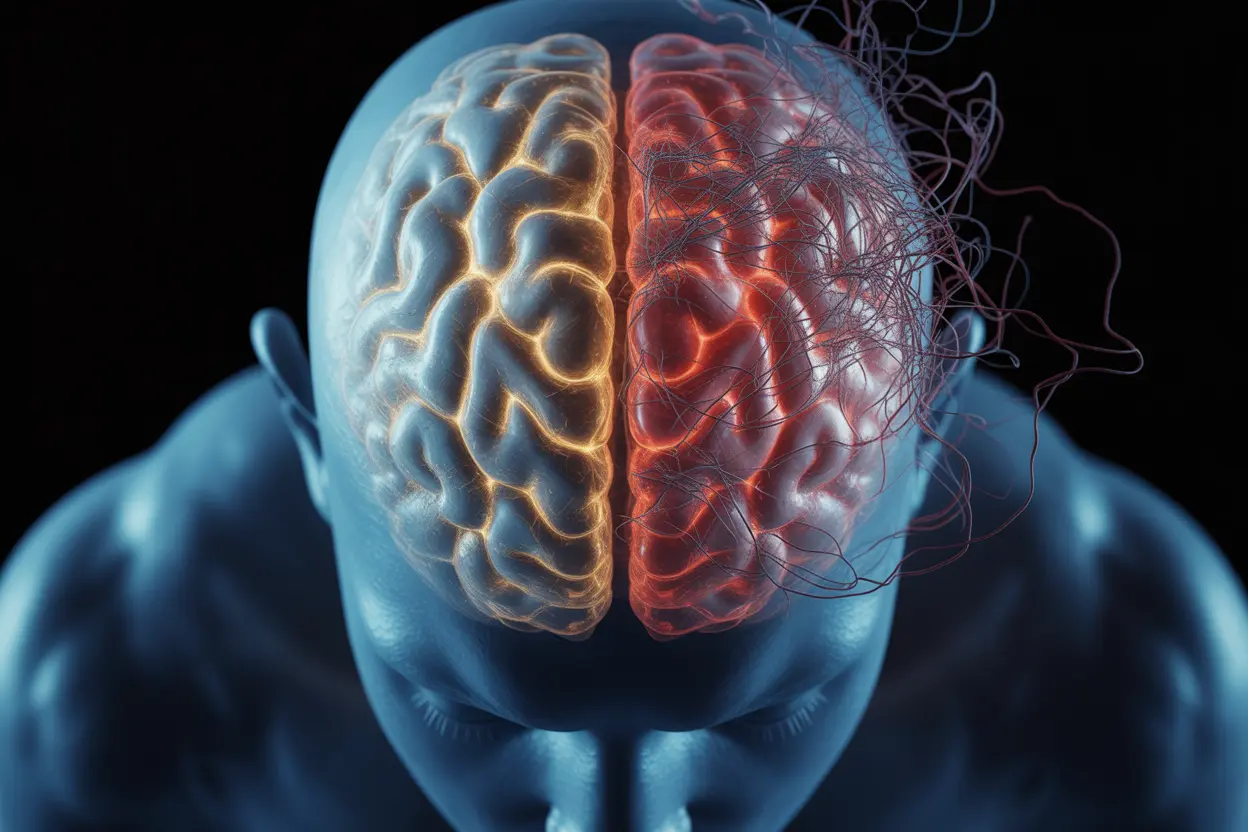
Discover the positive effects on your well-being as well as risks in our detailed discussion on Rituals and Mental Health.
Modern Research and Empirical Findings on Rituals
Experimental Studies on Rituals and Anxiety
Modern psychology increasingly turns to empirical methods to dissect ritual behavior. Recent experimental research demonstrates how rituals help in reducing anxiety for high-stakes performance, such as before exams or competitions. Participants who engage in ritualized actions show measurable reductions in cortisol levels and improved focus. The American Psychological Association showcases these findings, emphasizing the powerful psychological calming effects embedded in ritual acts.
Neuroscientific Insights into Ritual Behavior
The brain’s role in rituals is another burgeoning field. Recent research suggests that rituals engage brain areas involved with reward, habit, and emotional regulation. According to a Scientific American article, Recent research suggests that ritualized behavior activates neural pathways that help regulate fear responses and reinforce positive feedback loops. This neuroscientific approach helps explain why rituals feel rewarding and essential across different contexts, from personal to cultural.
For more scientific studies on anxiety and brain mechanisms, check out our detailed section on Modern Research and Empirical Findings on Rituals.
Practical Applications of Rituals in Therapy and Daily Life
Incorporating Rituals in Clinical Psychology and Counseling
Therapists are increasingly embracing rituals as tools for healing and growth. Clinical psychology incorporates therapeutic rituals to help clients establish routines that promote calm and self-efficacy. Rituals are integrated into Cognitive Behavioral Therapy and mindfulness-based interventions to anchor progress and ease transitions. These practices help in dealing with trauma, anxiety, and mood disorders by establishing predictability and encouraging positive habit formation.
Using Rituals to Enhance Productivity and Focus
Rituals also find a sweet spot in everyday life by enhancing productivity and focus. Simple routines, like starting a task with a particular playlist or coffee ritual, prime the brain for work. Harvard Business Review highlights how teams can add structure to the workday using collective rituals, improving morale and consistency. Individualized rituals act as mental checkpoints, prevent burnout, and boost motivation. For practical insights, explore Weekly Habit Reset: The Ultimate Ritual to Boost Consistency and Mindset Rituals: Powerful Habits for Success & Wellbeing.
Learn more about how structured resets enhance productivity in our Practical Applications of Rituals in Therapy and Daily Life section.
FAQs
What is the psychological definition of a ritual?
In psychology, a ritual is defined as a sequence of symbolic actions performed consistently and often with emotional significance. Unlike habits, rituals carry meaning beyond their practical purpose — they structure behavior to reduce uncertainty, convey identity, or regulate emotions.
How do rituals help reduce anxiety?
Rituals provide a sense of control and predictability, which helps calm the nervous system. Performing a known sequence can lower stress hormones, minimize worry about uncontrollable outcomes, and center attention, making anxiety more manageable.
Can rituals be harmful to mental health?
While many rituals are beneficial, some can turn into compulsive behaviors characteristic of disorders like Obsessive-Compulsive Disorder (OCD). In such cases, rituals become rigid, time-consuming, and disrupt life, needing professional treatment.
What role do rituals play in social bonding?
Rituals create shared experiences that strengthen group identity and trust. Participating in collective ceremonies synchronizes emotions and builds community cohesion through mutual understanding and cooperation.
How are rituals used in psychological therapy?
Therapists incorporate rituals to help clients build stability, regulate emotions, and establish healthy routines. Rituals can complement cognitive-behavioral approaches and mindfulness to support progress and coping strategies.
Conclusion
Rituals in psychology serve essential functions, from managing anxiety to fostering social bonds. They appear in many forms, spanning personal habits to grand cultural ceremonies, all explained by diverse psychological theories. While most rituals promote well-being and resilience, some can become maladaptive, highlighting the importance of balance. Cutting-edge research continues revealing how our brains engage with rituals, offering insights into their power and potential. Practically, embracing rituals in therapy and daily life empowers us to harness their benefits for better mental health, productivity, and social connection. Understanding these psychological functions of rituals enables individuals and professionals alike to enrich their lives meaningfully.