
Understanding Mental Resilience
Definition and Importance of Mental Resilience
When life throws curveballs, what keeps some people bouncing back while others struggle? That magic ingredient often boils down to mental resilience science, a fascinating field devoted to understanding the ability to adapt to adversity. In essence, mental resilience is your brain’s remarkable capacity to navigate stress, recover from setbacks, and maintain well-being despite challenges. It influences how we handle trauma, change, and daily pressures alike.
In fact, this science explores why some individuals seem naturally tough inside, while others develop that strength over time. Curious about mental resilience? It’s much like building a muscle—the more you work at it, the stronger it gets. For deeper insights, check out this Psychological Resilience: What It Is and How to Build It guide that complements our understanding of resilience.
History and Evolution of Resilience Science
The journey of mental resilience science started decades ago, moving from vague observations to rigorous investigation. Early research focused largely on children overcoming adverse environments, leading to the concept of protective factors buffering stress. Over time, the field embraced interdisciplinary approaches, integrating psychology, neuroscience, and genetics.
Breakthroughs like identifying specific brain regions and molecular pathways linked to stress adaptation reshaped how experts think about resilience. Today, it’s a hotbed of innovation blending behavioral science with cutting-edge biology, revealing how internal and external factors converge to foster resilience. You might find this article on Building Resilience at Work: A Complete Guide useful to see resilience evolved in different contexts.
The Science Behind Mental Resilience
Neurobiology of Resilience: Brain Structures Involved
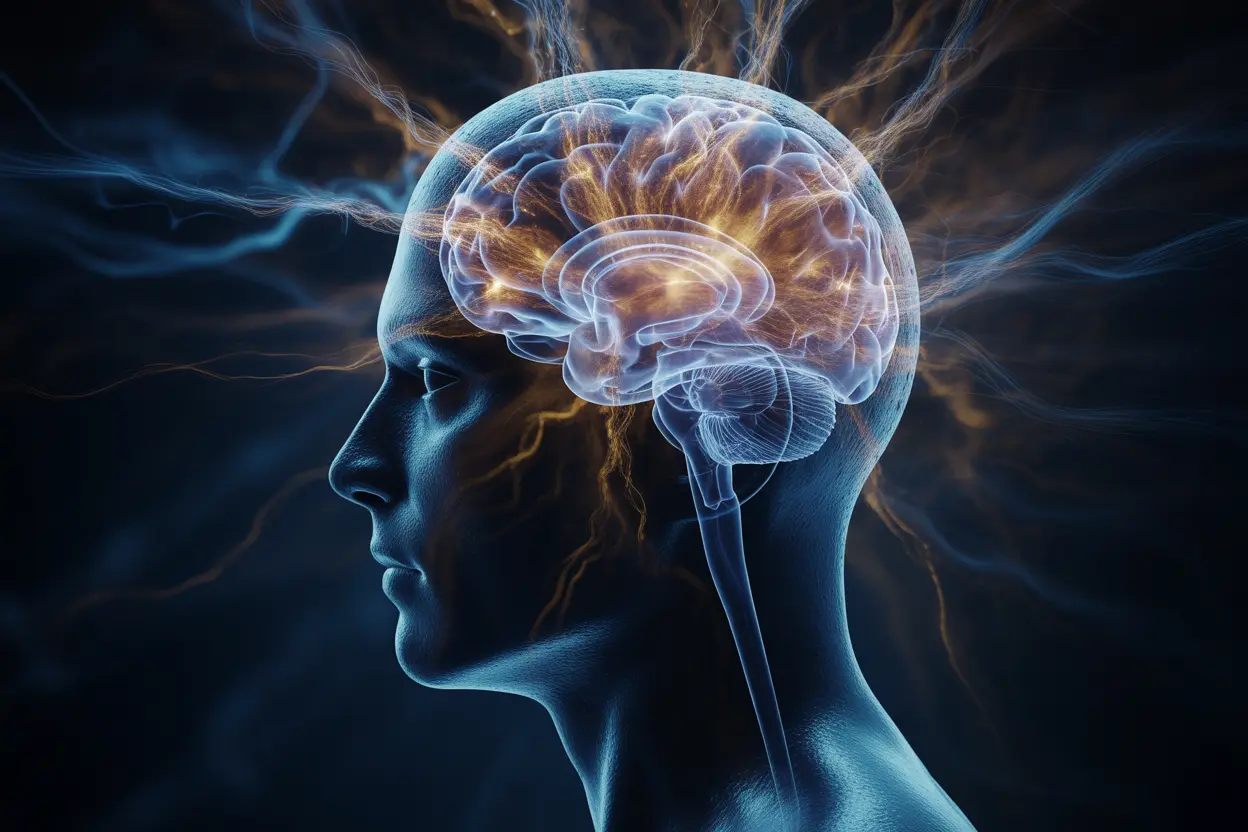
At the heart of mental resilience science lies the brain—our control center for managing stress and emotions. Key players include the prefrontal cortex, responsible for decision-making and emotional regulation, and the amygdala, notorious for processing fear and threat responses. Together, these regions cooperate to help you stay calm and think clearly under pressure.
But it doesn’t stop there. The hippocampus also plays a starring role by helping regulate emotional memories. These areas are interconnected through complex neural pathways forming convergent systems that ultimately affect brain function. This intricate dance explains why some people recover faster from setbacks while others feel overwhelmed.
For those wanting a deeper dive into the neural circuits behind resilience, this study on convergent systems that ultimately affect brain function is a great resource.
Genetic and Molecular Bases of Resilience
Mental resilience isn’t purely psychological—it’s deeply biological too. Researchers have identified genes like the Ih channel gene impacting how neurons communicate during stress. Variations in such genetic markers can influence a person’s natural capacity for stress adaptation and emotional endurance.
On a molecular level, resiliency involves hormones and neurotransmitters that regulate mood and stress responses. For instance, oxytocin fosters social bonding and trust, promoting recovery from distress, while serotonin impacts overall mood balance. This biology combined with environmental factors means resilience is a dynamic, multifaceted trait.
Understanding these genetic and molecular bases is like unlocking the blueprint of mental toughness, shedding light on who we are and who we can become.
Key Psychological Components of Resilience
Emotional Regulation and Cognitive Flexibility
One of the core pillars of mental resilience science is emotional regulation—our ability to control and respond to emotional experiences effectively. Think of it as the volume knob on your feelings, turning down anxiety or anger when needed. Paired with this is cognitive flexibility, or how well you can shift your thinking and adapt to new challenges.
These skills empower us to reinterpret setbacks as learning opportunities rather than threats. It’s closely linked to the underlying beliefs about your abilities, which can dramatically shape your resilience journey. If you believe you can overcome, you have a higher chance of succeeding. Interested in enhancing these mental skills? Explore the concept by reading about the underlying beliefs about your abilities and how mindset impacts resilience.
Optimism, Mental Toughness, and Problem-Solving Skills
Closely tied to emotional regulation are traits like optimism, mental toughness, and problem-solving abilities. Optimism fuels hope and persistence in adversity while mental toughness adds grit—a psychological armor that helps weather life’s storms. Problem-solving skills provide practical tools to navigate obstacles efficiently.
Cultivating these attributes can be seen as cultivating mental fortitude, which directly influences how resilient you truly are. Understanding this blend of traits can inspire practices that boost psychological resilience as you face challenges head-on.
If you want practical tips on growing strong mental habits, check out Develop a Strong Mindset: A Guide to Mental Toughness.
Evidence-Based Strategies to Build Mental Resilience
Before diving into practical techniques, it’s crucial to acknowledge mental resilience can be cultivated and practiced. This means it’s not just something you’re born with—anyone can build it over time, using deliberate strategies that shape brain function and behavior.
Cognitive Behavioral Techniques
One of the most effective tools to enhance resilience is CBT (Cognitive Behavioral Therapy). These techniques help identify and reframe negative thought patterns into constructive perspectives, reducing emotional distress. By changing how you interpret adversity, CBT strengthens your capacity to cope and adapt, turning challenges into opportunities for growth.
Many psychologists recommend CBT for addressing anxiety, depression, and building robust coping strategies that encourage psychological resilience in everyday life.
Mindfulness and Stress Management Practices
Mindfulness practices like meditation and controlled breathing help activate the body’s relaxation response, curbing harmful stress hormones. These methods improve attention, emotional balance, and enhance awareness of the present moment, which is critical for stress resilience.
Regular mindfulness can rewire neural circuits associated with emotional control and reduce reactivity to stressors, making it a cornerstone in resilience training routines.
Lifestyle Factors: Exercise, Sleep, and Nutrition
Don’t underestimate the role of consistent daily actions such as exercise, sleep, and nutrition in building resilience. Physical activity stimulates brain plasticity and boosts mood-enhancing neurotransmitters. Quality sleep consolidates memory and supports emotional regulation. Proper nutrition fuels optimal brain function.
Together, these lifestyle choices lay a foundation for sustaining mental strength, enabling you to face life’s ups and downs more effectively.
For more on integrating these habits, this article on the role of consistent daily actions provides excellent guidance.
Measuring and Assessing Mental Resilience
Common Psychological Scales and Inventories
Measuring something as intangible as resilience might seem tricky, but psychologists use validated tools like the Connor-Davidson Resilience Scale (CD-RISC) to quantify personal resilience levels. These psychometric scales assess factors such as adaptability, persistence, and coping skills, providing insight into individual resilience profiles.
The CD-RISC, in particular, is widely used in both clinical research and practical psychology to track resilience over time and evaluate the effectiveness of interventions. Curious about resilience measurement tools? Check out the details on the Connor-Davidson Resilience Scale (CD-RISC).
Emerging Technologies and Biomarkers
Innovation is reshaping resilience assessment through emerging technologies like neuroimaging and biomarkers, which examine physiological responses to stress in real-time. These methods offer objective data on how the brain and body adapt to adversity, enriching traditional psychological measures.
For example, wearable devices can track heart rate variability—a marker of stress response—helping individuals monitor and enhance their resilience on a personalized level.
Mental Resilience Across the Lifespan
Childhood and Adolescent Resilience Development
Mental resilience begins early, shaped by both genetics and environment. Childhood and adolescence are critical windows when neural circuits are highly malleable, making these stages prime for fostering resilience development. Supportive relationships, nurturing environments, and positive experiences build a foundation for long-term mental strength.
Teaching coping skills and emotional regulation during these formative years equips young people with tools to handle life’s uncertainties. This interplay between biology and psychology highlights why early interventions matter so much.
Resilience in Adults and the Elderly
As we traverse adulthood and into old age, resilience continues to evolve. Adults often draw upon accumulated life experience to enhance coping strategies, balancing stress with wisdom. Meanwhile, the elderly face unique challenges such as health decline and social isolation but can still cultivate resilience through adaptive neuroplasticity.
Maintaining mental toughness, optimism, and strong social connections are key factors enabling resilience across these later life stages. Want to explore how resilience changes with age? Our article on Building Resilience at Work: A Complete Guide can provide insights adapted for adult challenges.
Real-World Applications of Mental Resilience Science
Resilience in Clinical Psychology and Psychiatry
In clinical settings, mental resilience science informs therapy approaches to treat trauma, depression, and anxiety. By focusing on strengthening adaptive coping strategies and emotional regulation, mental health professionals help patients recover and thrive. Resilience-building interventions complement medication and traditional therapies, enhancing long-term outcomes.
Enhancing Performance in High-Stress Professions
High-pressure careers—from law enforcement to healthcare—demand exceptional psychological strength. Training programs now integrate resilience science, teaching professionals how to apply their emotional responses in high-pressure situations, manage stress effectively, and sustain peak performance.
If you’re curious about how evidence-based resilience training boosts occupational success, see resources on building resilience in professional environments.
Frequently Asked Questions
What is mental resilience and why is it important?
Mental resilience is the brain’s ability to recover from adversity by adapting thoughts, emotions, and behaviors. It’s crucial because it helps individuals navigate stress, reduce mental illness risk, and maintain well-being despite hardships.
How does the brain contribute to resilience?
Brain regions like the prefrontal cortex regulate emotions and decision-making, while neural circuits modulate stress responses. This neurobiology underpins how quickly and effectively someone bounces back from setbacks.
Can mental resilience be developed or is it innate?
While genetics play a role, mental resilience can be cultivated and practiced through psychological techniques, mindfulness, lifestyle changes, and experience, making it accessible to everyone.
What are effective techniques to improve mental resilience?
Evidence-based strategies include CBT, mindfulness meditation, stress management, and healthy habits like exercise and adequate sleep.
How is mental resilience measured scientifically?
It is quantified using psychometric scales such as the Connor-Davidson Resilience Scale (CD-RISC), alongside emerging biomarker technologies like neuroimaging and heart rate variability monitoring.
Conclusion
Mental resilience science reveals critical insights about how individuals overcome adversity through brain function, psychological traits, and adaptive behaviors. By understanding and applying evidence-based strategies, anyone can strengthen their inner resilience to improve mental health and overall well-being. Continued research and real-world applications promise to enhance resilience-building methods across all ages and populations, empowering us all to thrive in the face of life’s inevitable challenges.