
Understanding the 21 90 Rule
Ever wondered how 21 90 rule habits can actually transform your life? This simple yet powerful concept is all about committing to a habit for 21 days first and then stretching that commitment to 90 days to truly embed the behavior. The magic lies in how our brains respond to these time frames, making habit formation feel almost effortless once understood.
If you’re diving into habit formation, it’s good to get both the origin and science behind these numbers. Think of it like planting a seed: 21 days is the initial watering and care — basically, a minimum of about 21 days that James Clear highlights in his awesome article on new habits here. This is your habit’s critical growth phase.
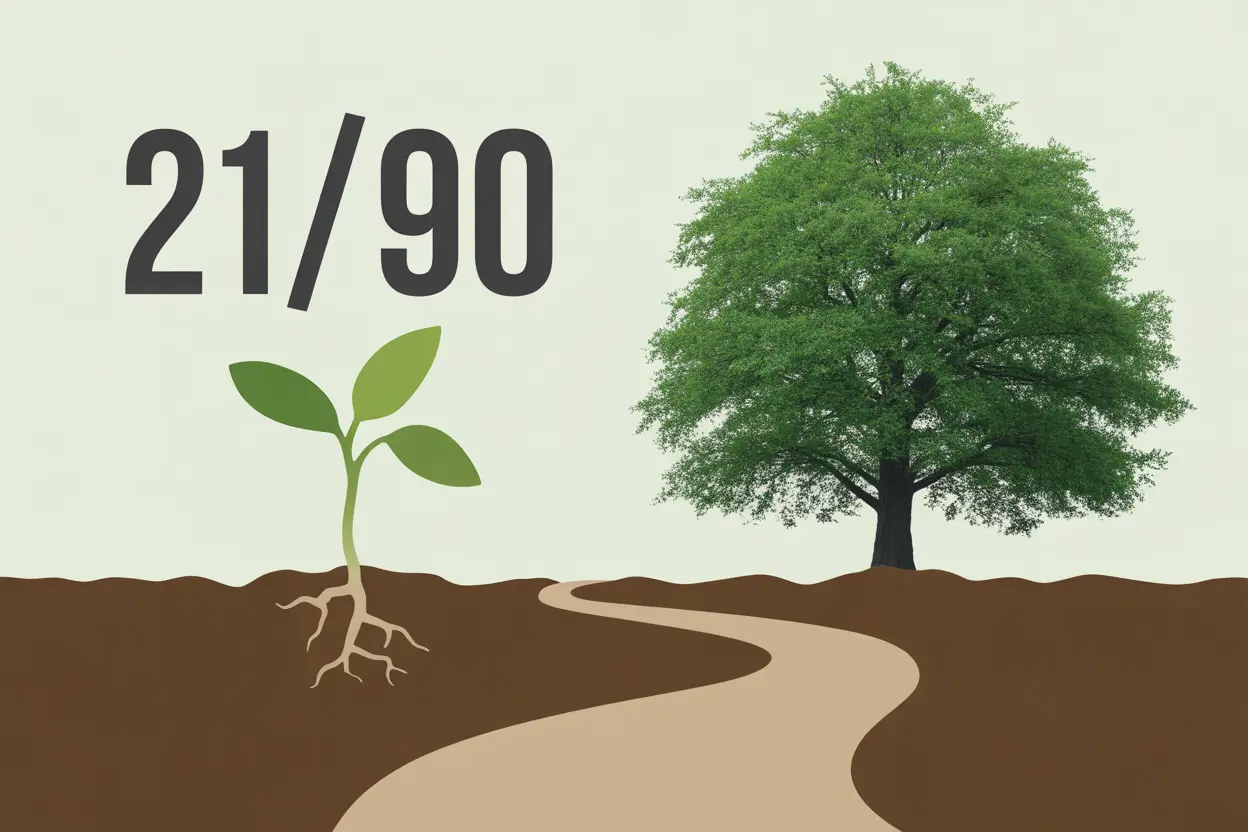
Origin and Concept of the 21 90 Rule
The 21 90 rule is built on the idea that it takes 21 days to form a new habit and an additional 90 days to make it a lifestyle. It’s a neat framework popularized by self-improvement enthusiasts, aiming to simplify habit building into manageable chunks. While it’s not a one-size-fits-all, the concept helps many focus on consistency and commitment.
Why 21 Days to Form a Habit?
Why 21 days specifically? Well, it’s the average time our brain needs to adapt to a new behavior — enough to break old patterns and form neural pathways. That’s why the early frustration often subsides after three weeks. This period makes you less likely to give up, nudging you toward daily habit practice. Want a deeper dive? You’ll find insights in this post about how long to break a habit.
The 90-Day Commitment: Making It a Lifestyle
Once you’ve nailed those 21 90 rule habits in the first 21 days, the real challenge is keeping the momentum going for 90 days. That’s where a habit transforms from a chore into an automatic part of your routine — your lifestyle.
Transition from Habit to Lifestyle
Extending your commitment for 90 days means you’re no longer consciously choosing to do the habit; it becomes second nature. Imagine learning to ride a bike — at first, it’s wobbly and requires focus, but after a while, it’s just how you get around. That’s the essence of this 90-day phase, helping those new habits stick like glue.
Psychological and Behavioral Insights
Psychology reveals that sustaining new behaviors through this critical 90-day window rewires your brain’s reward system. According to new research from University College London here, habit formation varies greatly but consistent practice supports behavior change. The brain learns to crave the new behavior’s rewards, cementing those long-term habits.
How to Apply the 21 90 Rule to Your Habits
Harnessing the power of 21 90 rule habits requires strategy and reflection. What you choose to develop matters — pick habits that genuinely resonate with your goals. From there, follow a clear plan to build up momentum.
Choosing the Right Habits to Develop
To start, think about habits impacting your day positively — maybe habit stacking morning stretches with your coffee or dedicating 10 minutes to journaling. It’s about targeting manageable changes that feel achievable. When you match habits to your lifestyle, motivation flows naturally, paving the way for success in habit change.
Step-by-Step Guide to the 21-Day Habit Formation
Next up, commit yourself to 21 days of daily habit practice. Set reminders, use simple cues like placing workout gear visibly, and celebrate small wins to keep the energy alive. This phase is about turning intentions into action without overthinking.
Extending Commitment Through 90 Days
After the initial 21 days, the goal shifts from action to consistency. Think of it as the phase where you’re “locking in” your progress, making these practices unshakable parts of your lifestyle. Apps and tools can help here — they act like a friendly nudge to stay on track.
Benefits of Using the 21 90 Rule in Habit Formation
Why bother with this 21 90 rule habits method? Because it’s not just about building habits — it’s about reshaping your entire lifestyle with structure and ease.
Improved Consistency and Motivation
One huge perk is that breaking down the journey into 21 and then 90 days feeds your motivation regularly. It’s like climbing a mountain in two stages: the first 21 days give you a thrilling checkpoint, and the next 90 days help you summit the peak. This system reinforces consistency in habits better than bursts of random efforts.
Long-Term Behavior Change
When habits stick, they’re no longer just tasks but become habits integrated into your identity. It’s the difference between exercising because you ‘have to’ versus because you ‘are an active person.’ The 21 90 framework encourages habit reinforcement so deeply that your routine shifts without much struggle.
Common Challenges and How to Overcome Them
Let’s be real — sticking with new habits isn’t always smooth sailing. You’ll face bumps along the way. But good news! Knowing what to expect makes the journey easier.
Dealing with Setbacks During the 21 Days
Missing a day or slipping up is normal. Instead of beating yourself up, use setbacks as learning moments. Want tips? Check out explore effective strategies for overcoming setbacks. Think of setbacks like gusts of wind while sailing — adjust your sails, don’t abandon ship.
Maintaining Momentum Through 90 Days
The longer haul is about fighting off boredom and plateaus. Mixing up your approach, celebrating milestones, or linking your habit to bigger goals helps. Read up on the science behind reversing unwanted behaviors to better understand how your brain reacts.
Examples of Successful Habit Changes Using the 21 90 Rule
Curious about real-life wins? The 21 90 rule habits have powered some amazing transformations.
Health and Fitness Transformations
People adopting daily workouts or healthier eating often report that hitting the 21-day mark felt empowering, and by 90 days, their practices were ingrained. It’s like their body and mind did a full rewire — a testament to the power of commitment.
Productivity and Work Habits
Professionals use the rule to build goal setting routines, like planning their day every morning or batching tasks effectively. 90 days later, these actions become their secret weapon for smashing goals consistently.
Tools and Tips to Support Your 21 90 Rule Journey
Having the right gear can make your 21 90 rule habits journey smoother.
Using Journals and Trackers
Journaling your progress and using habit trackers turns vague goals into visible wins. Apps are a fantastic support system; check out The 5 best habit tracker apps for handy suggestions. Tracking feels like giving a high-five to yourself every day.
Incorporating Social Accountability
Making habits social — whether sharing goals with friends or joining communities — up-levels commitment. Having someone cheer you on or check in is motivational fuel. Plus, it turns habit-building into a fun, shared adventure.
FAQs
What is the 21 90 rule and how does it work?
The 21 90 rule is a habit formation method that suggests if you commit to a habit for 21 days, it will become established, and extending that commitment to 90 days helps it solidify into a lifestyle. It works by leveraging consistent practice and psychological adaptation to create lasting behavior change.
Why does it take 21 days to form a habit according to this rule?
21 days is an approximate time frame for the brain to start rewiring itself and adapt to a new behavior. This period helps break old patterns and makes the habit less effortful. However, the exact time can vary depending on the nature of the habit and the individual.
How can I make the 21 90 rule work for me?
Choose habits that align with your values, break them into small actionable steps, and stay consistent for 21 days. Then, keep extending your commitment to reach 90 days, using tools like habit trackers or social accountability to maintain your momentum.
What challenges might I face when following the 21 90 rule?
Common challenges include missing days, losing motivation, or plateauing. Dealing with these involves forgiving setbacks, adjusting strategies, and staying motivated by celebrating progress and keeping your goals in mind.
Are there any scientific studies supporting the 21 90 rule?
Although habit formation duration varies, research from University College London and other studies suggest habit formation can range from 18 to 254 days. The 21 90 rule offers a practical approach but isn’t a rigid scientific fact. For more, explore the nuanced research about habit science here.
Conclusion
The 21 90 rule habits offer a practical framework for crafting new habits by focusing first on a 21-day commitment and then extending to 90 days to embed lasting lifestyle change. Understanding the psychology behind habit formation, preparing for inevitable challenges, and using effective strategies can boost your chances of success. Armed with supportive tools and accountability, your journey becomes easier and more enjoyable. So, set clear goals, stay consistent, and let the 21 90 rule transform your life, one habit at a time.
Start small, stay steady, and watch the ripple effects unfold!
For more insights on developing an unstoppable mindset and mastering successful habit change, you can also explore the guide on Develop an Unstoppable Mindset: A Step-by-Step Guide and understand why Discipline Over Motivation: Why Consistency Always Wins can be a game changer.