
Understanding Habits: Definition and Formation
What Is a Habit?
Ever wondered what really defines a habit? Simply put, a habit is a repetitive behavior or routine that becomes automatic over time. It’s something you do almost without thinking—like brushing your teeth or checking your phone first thing in the morning. In fact, habits are the brain’s clever way of saving energy by turning frequently repeated actions into automatic responses. So when you ask yourself how long to break a habit, understanding this automaticity is key.
How Habits Are Formed in the Brain
Habits are carved into your brain through a process called the habit loop, which includes a cue, a routine, and a reward. Neuroscience shows that the basal ganglia, a part of the brain, plays a crucial role in storing these habits. Every time you perform a behavior and get rewarded—whether it’s a sugar rush or a sense of relaxation—your brain strengthens neural pathways that make that behavior easier to repeat. This brain plasticity means habits aren’t fixed; they can be modified, but it takes time and consistent effort. To dive deeper into the neuroscience of habits, you can check resources provided by institutions like Harvard Medical School.
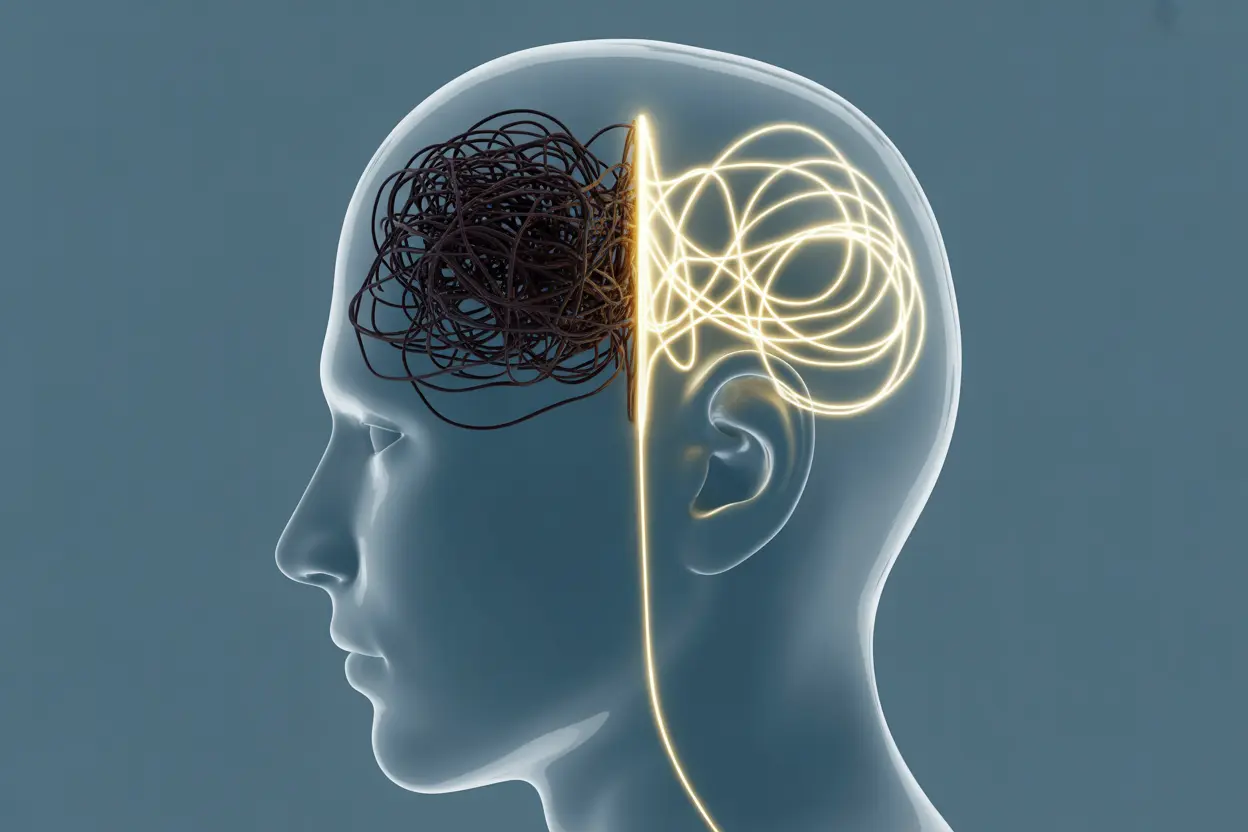
Changing your habits means rewiring this habit loop, but how long does that really take? Let’s unravel the common timelines.
The 90-Day Myth: Origins and Explanation
Where Did the 90-Day Habit Rule Come From?
The idea that breaking or forming a habit takes exactly 90 days has become popular across self-help circles. It’s often cited as the magic number for change—a neat package to commit to committing to a three-month timeframe and see results. This concept gained traction partly because 90 days feels like a substantial, yet achievable milestone, giving people a clear goal to chase. But was this figure based on rigorous science or just a motivational tool?
A close look at habit-related studies reveals that the ’90 days’ notion often traces back to interpretations of behavior change programs and personal anecdotes rather than solid scientific consensus. If you’re curious, articles like 90 Day Rule for Habits: Build Lasting Change deep-dive into this timeframe’s practical aspects.
Scientific Evidence on the 90-Day Timeframe
Research on habit formation published in the European Journal of Social Psychology suggests that habit formation averages around 66 days, but with significant individual variation. Some habits may solidify in as little as 18 days, while others can take up to 254 days or more. Importantly, breaking habits often takes longer because it requires overriding established neural pathways. So, the 90-day rule is more of a guideline than a rule etched in stone.
Scientific studies emphasize that the breaking bad habits timeline varies widely depending on complexity, environment, and personal factors. It’s less about the clock and more about consistent behavior change. For more nuanced insights, you might want to explore how habit change research presents these findings.
How Long Does It Actually Take to Break a Habit?
Research Findings on Habit Duration and Breaking
If you’re looking for a precise answer to how long to break a habit, science says it depends heavily on the habit’s nature and your brain’s adaptability. Studies show that breaking habits requires conscious effort to disrupt the habit loop—changing the cue, routine, or reward. For instance, quitting smoking may take longer because of nicotine addiction’s chemical effects, while cutting down on social media might be faster.
Based on research, breaking a habit can take anywhere from 18 days to over six months or even longer. This range results from factors such as frequency of behavior, emotional attachment, and environmental cues. The brain’s plasticity means it can recover and reshape itself, but patience is crucial. The key takeaway? There’s no uniform timeline; it’s a marathon, not a sprint.
Factors That Influence Habit Breaking Time
Several elements influence the duration for breaking habits:
- Complexity of the habit: Simple habits tend to break faster.
- Emotional connection: Habits tied to strong emotions take more time.
- Triggers and environment: Frequent exposure to cues prolongs breaking time.
- Individual differences: Genetics, stress, and motivation levels matter.
Understanding these can help tailor habit breaking strategies to your unique situation, making the process smoother and more effective.
The 21/90 Rule: What It Means and How It Works
Explanation of the 21/90 Rule for Habit Formation
The 21/90 Rule is a popular commitment framework that suggests it takes 21 days to form a habit and 90 days to make that habit a permanent lifestyle change. The first 21 days signify the initial adaptation phase, where repeated actions start feeling less foreign. The following 69 days (making a total of 90) help solidify the habit so it integrates well into daily life.
You can learn more about this approach in the detailed 21/90 Rule for Habits: How to Make Them Stick. This rule isn’t scientific law but a useful motivator encouraging persistence toward lasting change.
How the 21/90 Rule Applies to Breaking Habits
When breaking bad habits, the 21/90 Rule can help by framing your journey—first focusing on avoiding the habit for 21 days, which challenges your brain to resist the automatic habit loop. After passing this threshold, the remaining 69 days reinforce new behaviors or coping mechanisms. While not foolproof, this phased approach can boost self-discipline and help you stay on track.
Applying this rule effectively means combining it with understanding your triggers and rewards, ensuring the new behaviors are rewarding enough to replace the old ones.
Effective Strategies to Break a Habit Faster
Identifying Triggers and Rewards
To break a habit faster, pinpointing behavioral triggers and rewards is essential. These triggers could be a time of day, emotional state, or even social situations that cue the automatic routine. Once you identify what triggers your habit, you can start to disrupt the cycle.
Similarly, understanding the reward—why your brain likes the habit—lets you find healthier substitutes. For example, if stress triggers snacking, you might replace it with a short meditation or walk.
Replacing Bad Habits with Positive Ones
Simply stopping a habit can leave a void. That’s why habit replacement technique is powerful: swap the unwanted habit with a positive, fulfilling alternative. For example:
- Swap late-night scrolling with reading
- Replace smoking breaks with deep breathing exercises
This method works because it leverages the same habit loop structure but feeds it with beneficial behaviors.
Changing Environment and Behavioral Patterns
Your surroundings significantly impact how fast you can break a habit. Altering your environment to remove temptation can disrupt the habit loop effectively. This might mean:
- Moving your phone out of reach during work hours
- Avoiding places where you used to engage in the habit
Changing daily routines and physical spaces rewires the brain, helping to break old patterns faster.
Psychological and Neurological Challenges in Breaking Habits
The Role of Brain Plasticity and Dissonance
Your brain’s plasticity is both a blessing and a challenge in habit breaking. While it allows new habits to form, it also means deeply ingrained habits create strong neural pathways which resist change. Additionally, cognitive dissonance—where your actions conflict with your intentions—can cause discomfort that tempts relapses. Understanding these neurological hurdles can prepare you for the ups and downs of habit change.
Why Persistence and Mindset Matter
Habit persistence isn’t just physical; it’s psychological. Cultivating the right mental state—like patience and resilience—is crucial. Studies show that setbacks aren’t failures but part of the reshaping process. Developing an unstoppable mindset, as discussed in the Develop an Unstoppable Mindset: A Step-by-Step Guide, helps maintain motivation and self-discipline.
Common Misconceptions About Habits and Breaking Them
Debunking the 21-Day Habit Formation Myth
Many believe habits take just 21 days to form or break, but this is an oversimplification from early anecdotal reports. Modern habit change research shows variability depending on habit complexity and individual differences. While 21 days may jumpstart habit formation, it rarely cements it fully.
Why One-Size-Fits-All Doesn’t Work for Habit Breaking
Habits are personal and multifaceted. What works to break a habit for one person might not for another, proving that other phased approaches to building routines need personalization. Factors like lifestyle, triggers, and brain chemistry mean there’s no universal timeline. Recognizing this prevents discouragement and promotes tailored strategies.
Maintaining Long-Term Habit Change Beyond 90 Days
Building Sustainable Lifestyle Changes
Long-term habit change requires embedding new behaviors into your identity. This means transitioning from conscious effort to automaticity, where your new habits become your lifestyle. Instead of focusing solely on a timeline, think about integrating habits into your values and daily routine for sustainability.
Tips for Preventing Relapse
Relapse is common but manageable. To guard against it:
- Continually monitor and manage your habit triggers and rewards
- Use support systems and accountability partners
- Practice self-compassion and reset rather than quit upon setbacks
These habits prevent falling back into old patterns and support ongoing growth by relying on systems instead of feelings.
FAQs
Is it really true that it takes 90 days to break a habit?
Not necessarily. While 90 days is a popular benchmark, science shows a wide range—from 18 to over 250 days. The 90-day rule serves as a motivational target rather than a strict timeline. Breaking a habit depends on many factors, including the habit’s complexity and your environment.
How long does it typically take to form or break a habit?
On average, habit formation takes around 66 days, but breaking a habit might take longer due to established neural pathways. The duration varies individually; some habits form or break quickly, others slowly. Consistency and effective habit breaking strategies play big roles.
What is the 21/90 rule in habit formation?
The 21/90 Rule suggests it takes 21 days to form a habit and 90 days to make it a permanent lifestyle change. It’s a commitment framework designed to encourage persistence but isn’t a hard scientific rule.
What strategies can help break a bad habit more effectively?
Effective tactics include identifying your habit’s triggers and rewards, replacing the bad habit with a positive one, and altering your environment or routine to disrupt the habit loop. Maintaining mindset and persistence also accelerate success.
Why do some habits take longer than others to break?
Habits linked to strong emotional rewards, addiction, or complex routines take longer due to more entrenched neural pathways and psychological factors. Also, frequent exposure to triggers and individual brain plasticity variations influence breaking speed.
Conclusion
Breaking a habit is a highly individualized process that cannot be universally fixed to a strict 90-day timeline. Scientific research shows a wide range in how long habits take to break or form, influenced by factors such as complexity, triggers, individual psychology, and environment. While the 90-day rule helps as a motivational framework, the key to lasting change lies in consistent effort, understanding habit mechanisms, and using effective strategies like identifying triggers, replacing habits, and maintaining mindset. Sustainable lifestyle change demands ongoing persistence beyond any arbitrary timeframe.
For deeper insights on building lasting change and mindset, don’t forget to explore articles like Discipline Over Motivation: Why Consistency Always Wins and other resources.