
Understanding Mental Toughness
Definition and Core Elements
When it comes to mental toughness vs growth mindset, understanding each term is crucial. Mental toughness refers to an individual’s ability to stay strong under pressure and maintain focus despite setbacks. It’s about resilience, grit, and self-belief—those inner forces that keep you pushing forward when the going gets tough. In other words, mental toughness is the core components of mental strength that empower you to handle stress, adversity, and challenges with unwavering resolve.
But mental toughness isn’t just about stubbornness; it’s a dynamic blend of confidence, emotional regulation, and motivation. Think of it like an athlete training their mind as diligently as their body, combining endurance with psychological strength.
Mental Toughness in Performance and Daily Life
You might wonder, how does mental toughness manifest in everyday life? Beyond sports and high-stakes environments, this attribute plays a vital role in work, relationships, and even personal growth. Mental toughness could be what helps you stay composed during a tight deadline or bounce back from criticism with renewed vigor.
According to sports psychology interventions, athletes utilize specific visualization techniques and goal-setting strategies to build mental resilience that transfers seamlessly into daily situations. From maintaining focus during demanding projects to handling life’s curveballs, mental toughness helps you thrive where others might fold.
This psychological strength is also about controlling your mindset, embracing challenges rather than avoiding them—a quality you’ll soon see mirrored in the growth mindset.
Understanding Growth Mindset
Definition and Principles
If you’ve been exploring personal growth, you’ve likely heard about the growth mindset. Rooted in the groundbreaking research of Carol S. Dweck, this concept revolves around believing your abilities can develop through dedication, effort, and learning. In contrast to a fixed mindset that sees talent as static, a growth mindset embraces change, treats failure as feedback, and values continuous improvement.
At its core, it’s about optimism and the belief that you can learn almost anything with persistence and the right strategies. The principles foster adaptability and a passion for lifelong learning, making it a powerful tool in the mindset shift journey.
Growth Mindset’s Role in Learning and Resilience
One of the hallmarks of a growth mindset is resilience—seeing obstacles as opportunities to grow rather than dead ends. This perspective encourages you to embrace challenges and learn from failure actively. Instead of being discouraged by setbacks, a growth mindset propels you forward with curiosity and motivation.
You can see this play out in classrooms, workplaces, and personal endeavors, where individuals using a growth mindset enhance their skills and overcome difficulties with confidence. For a deeper dive into the key traits of this mindset, you might want to check out Characteristics of a Growth Mindset: 5 Key Traits, which explores how this way of thinking fuels resilience and success.
Comparing Mental Toughness and Growth Mindset
Similarities Between Mental Toughness and Growth Mindset
So, what ties mental toughness vs growth mindset together? Both are psychological frameworks centered on resilience, persistence, and adaptability. They encourage embracing difficulty rather than avoiding it and emphasize self-belief as the foundation for growth and success.
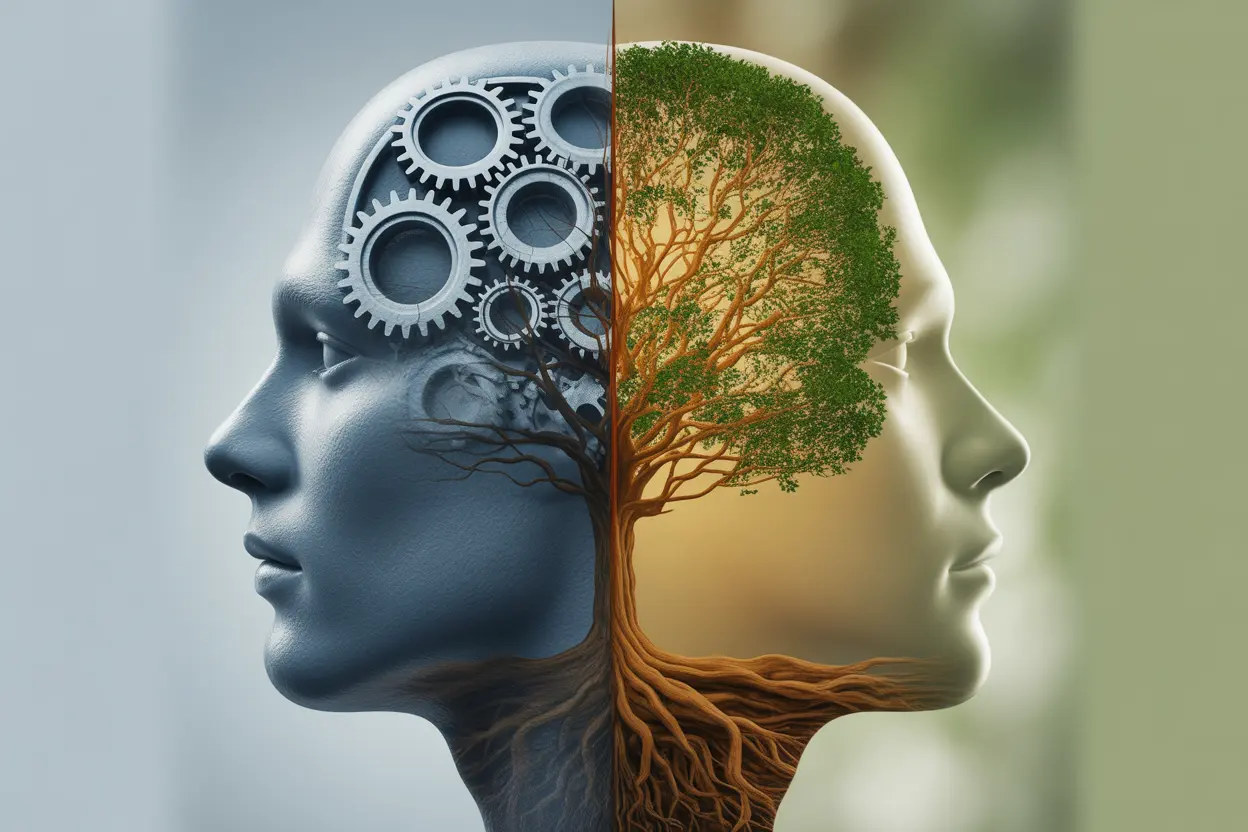
Think of mental toughness and a growth mindset as two sides of the same coin—each promoting mental resilience and confidence building, just through slightly different lenses. While mental toughness might emphasize enduring and persevering in the face of tough situations, a growth mindset leans more toward learning and evolving from those very moments.
Both also foster goal-setting strategies and employ visualization techniques to enhance performance and motivation. Whether you’re fueled by willpower, optimism, or discipline, integrating these mental habits boosts your ability to handle life’s uncertainties.
Key Differences in Approach and Application
Despite their similarities, the core approaches of mental toughness and growth mindset vary noticeably. Mental toughness is often about pushing through pain or stress, requiring grit and emotional control. It’s the unyielding torchbearer in intense moments, pushing you to endure and stay composed.
Conversely, the growth mindset focuses on the journey of improvement. It’s less about resisting pressure and more about shifting your perspective—viewing challenges as chances to enhance your skills. This makes it a softer, more reflective approach emphasizing adaptability and personal development.
In application, mental toughness might show up as holding steady during high-pressure tasks, while the growth mindset encourages reassessing strategies post-failure to learn and try again. They complement each other, with mental toughness giving you the strength to stand firm and growth mindset providing the openness to transform.
How Mental Toughness and Growth Mindset Complement Each Other
Building Resilience and Confidence
Combining mental toughness and a growth mindset creates a powerhouse of resilience and self-confidence. When you learn to bounce back from adversity effectively, you’re not just surviving tough times—you’re using them as stepping stones toward your goals.
For those curious about building your resilience, resources like How to Build Resilience: A Guide to Bouncing Back offer practical insights on strengthening psychological stamina, helping you weather life’s storms with grit and optimism.
With this dynamic duo, you cultivate a mindset that’s not only ready to face hardships but also eager to learn from them, making you more adaptable and empowered.
Adopting Strategies to Develop Both
To develop both mental toughness and growth mindset, start by setting realistic yet challenging goals and view failures as opportunities. Engage in regular visualization techniques to mentally rehearse overcoming obstacles. Embrace habits of reflection and self-talk that encourage perseverance and learning.
Consider integrating cultivating discipline over relying on motivation as a key principle—consistency beats spurts of enthusiasm every time. Resources like Discipline Over Motivation: Why Consistency Always Wins provide valuable strategies to stick with your efforts over the long haul.
Remember, blending these skills requires patience. Start small, celebrate progress, and watch your mental conditioning evolve—equipping you with the mental armor to tackle any challenge.
Practical Tips to Enhance Mental Toughness
Techniques to Cultivate Mental Toughness
Want to get tougher mentally? Here are some tried-and-true techniques:
- Set challenging but achievable goals: Push your limits gradually to build confidence.
- Practice visualization: Imagine yourself succeeding in stressful scenarios.
- Control your self-talk: Replace negative thoughts with empowering affirmations.
- Manage stress effectively: Use breathing exercises or mindfulness to stay calm.
- Embrace discomfort: Regularly step out of your comfort zone to build resilience.
These strategies sculpt your mindset just like physical training shapes muscles, helping you stay composed and persistent in adversity.
Role of Self-Compassion in Mental Strength
Interestingly, self-compassion plays a pivotal role in developing mental toughness. According to a leading researcher in the field, Dr. Kristin Neff, treating yourself with kindness during setbacks actually fuels strength rather than weakness.
Self-compassion encourages you to recognize your humanity, reduce harsh self-criticism, and maintain motivation without burnout. It’s the gentle backbone that supports your mental toughness, allowing you to recover and persevere more effectively.
Practical Tips to Cultivate a Growth Mindset
Embracing Challenges and Learning from Failure
Developing a growth mindset starts with embracing challenges and learning from failure, not fearing them. When you hit an obstacle, ask yourself: What can I learn here? How can I improve?
Shift your language from “I can’t do this” to “I can’t do this yet.” This simple tweak cultivates optimism and a learning mindset, encouraging continuous growth. Celebrate small wins and insights gained to keep enthusiasm alive.
Creating an Environment that Supports Mindset Growth
Your surroundings play a huge role in nurturing a growth mindset. Surround yourself with supportive, growth-oriented people, seek feedback, and consume uplifting content.
Design your space to inspire creativity and learning. Establish routines that promote reflection and discovery, such as journaling or goal review sessions. This environmental design for growth creates fertile ground for mindset transformation and sustained motivation.
For more on these practical steps, check out Growth Mindset vs Fixed Mindset: A Complete Guide.
FAQ
What is the main difference between mental toughness and growth mindset?
The primary difference lies in their focus: mental toughness emphasizes enduring stress and maintaining effort under pressure, while growth mindset centers on believing abilities can improve through effort and learning. Mental toughness is about persistence in tough moments; growth mindset encourages viewing setbacks as learning opportunities. Both are complementary in fostering resilience and success.
Can mental toughness and growth mindset be developed simultaneously?
Absolutely! Developing a mental toughness vs growth mindset balance allows you to both endure hardships and learn from them. Mental toughness gives you the strength to persist, while growth mindset offers the openness to adapt and improve. Strategies like goal-setting, reflection, and self-compassion help cultivate both together.
How does self-compassion influence mental toughness?
Self-compassion, as explained by experts like Dr. Kristin Neff, supports mental toughness by promoting kindness toward oneself during struggles. Rather than harsh self-criticism, self-compassion encourages resilience, reduces burnout, and sustains motivation—making your mental strength more sustainable and effective.
What are some effective strategies to develop a growth mindset?
Key strategies include embracing challenges, reframing failure as feedback, using positive self-talk, seeking constructive criticism, and cultivating curiosity. Creating supportive environments and engaging in continuous reflection also nurture a growth mindset. Checking out resources on characteristics of a growth mindset can deepen your understanding.
Why is mental toughness important in achieving success?
Mental toughness equips you to remain focused and composed under pressure, overcome obstacles, and maintain motivation during setbacks. It fosters perseverance and psychological strength crucial for achieving long-term goals and excelling in competitive environments or daily challenges.
Conclusion
Mental toughness and growth mindset are interconnected psychological concepts essential for personal and professional success. Understanding their definitions, differences, and complementarities allows individuals to develop strategies that foster resilience, adaptability, and sustained growth. Implementing practical tips such as embracing challenges, cultivating self-compassion, and designing supportive environments can enhance both mental toughness and a growth mindset, leading to improved performance and well-being.