
Understanding Brain Plasticity and Habits
What is Neuroplasticity?
Have you ever wondered how our brains seem to adapt, learn, and even heal over time? This amazing ability is called neuroplasticity — the brain’s incredible power to change its structure and function throughout life. The term describes the brain’s remarkable ability to reorganize itself by forming new neural connections. This means you’re not stuck with your current brain wiring; your habits, thoughts, and behaviors can actually reshape your brain. It’s pretty empowering to realize that your brain is a dynamic, ever-changing organ that can be trained, much like a muscle.
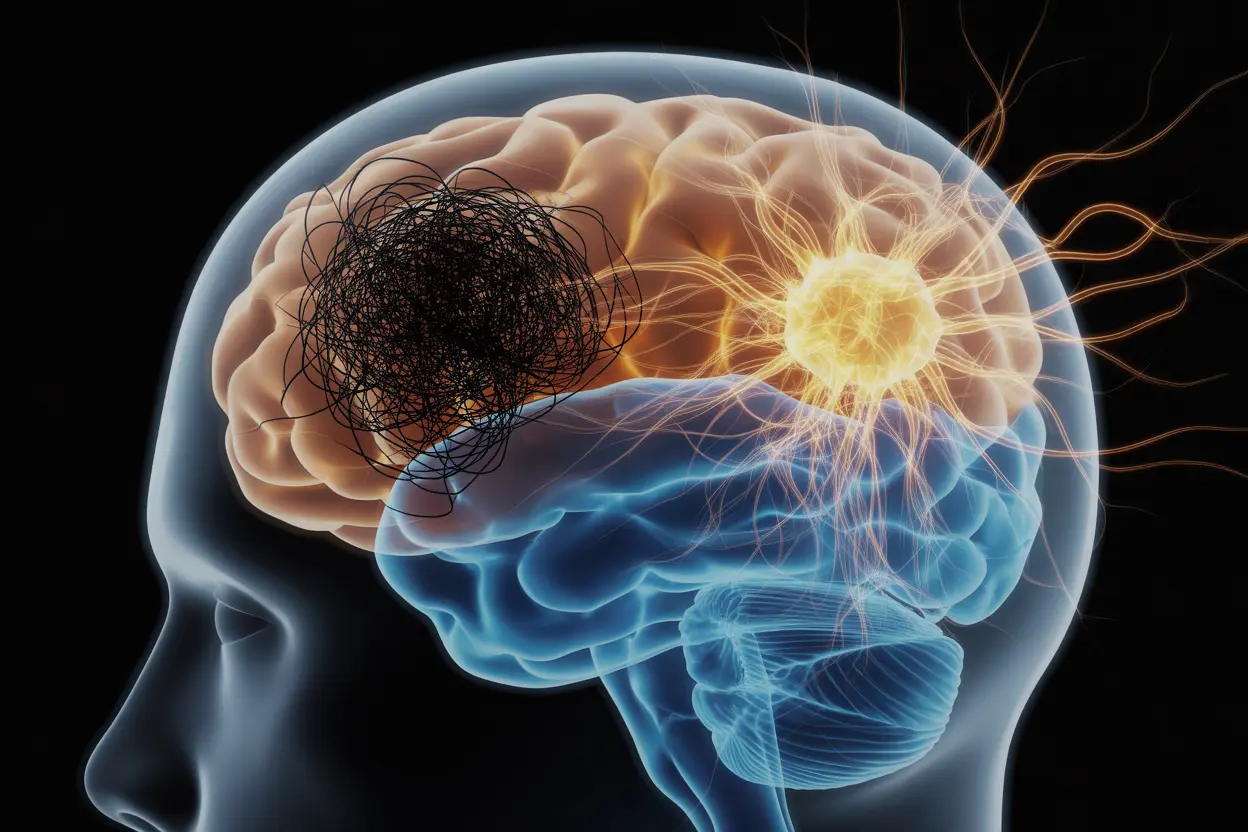
To dive deeper into the science, the Queensland Brain Institute offers an insightful resource on the brain’s remarkable ability to reorganize itself, perfect for those who want to explore the foundational concept behind habit transformation.
How Habits Form in the Brain
So, how do habits form? Habits are essentially behaviors wired into your brain through repetition, making them automatic over time. This automatic behavior is governed by neural pathways — the grooves in the brain created by repeated actions. When you perform the same action repeatedly, the pathway strengthens, making the behavior easier and less conscious.
Understanding this helps explain why breaking a habit can feel like trying to change a deeply rutted road; it takes intention and effort to carve a new path. This automatic nature of habits is part of the habit formation process, making rewiring your brain to break habits both a science and an art.
If you want to learn more about habit formation, check out our detailed guide on How to Stop Bad Habits & Create Good Ones.
The Science Behind Breaking Bad Habits
The Habit Loop: Cue, Routine, and Reward
At the heart of habit change lies the habit loop — a three-step neurological loop made up of a cue (trigger), routine (behavior), and reward (benefit). This concept, popularized by Charles Duhigg in his book “The Power of Habit,” shows the mechanism your brain uses to store habits.
A cue prompts your brain to go into automatic mode and execute the routine, which is then reinforced by the reward. This cycle happens beneath your conscious awareness, driving behavior persistence. By understanding this, you’re better equipped to disrupt the loop and introduce new, healthier behaviors.
For a more thorough exploration, visit a three-step neurological loop.
How Old Habits Interfere with New Behavior
Old habits have the advantage of strong neural pathways and familiar rewards, often overriding your attempts at behavior change. It’s like trying to take a new hiking trail but constantly being pulled back to the well-trodden path.
These ingrained patterns interfere by triggering automatic responses, making new habits difficult to sustain without conscious effort. This phenomenon explains why simple willpower often falls short, and why it’s vital to understand how to rewire your brain to break habits with effective strategies.
The interplay of automatic habits and behavior change illustrates the dual-sided coin of habit management — a principle we’ll explore more in Step-by-Step Process to Rewire Your Brain.
Step-by-Step Process to Rewire Your Brain
Recognize and Acknowledge the Bad Habit
The first step in rewiring your brain to break habits is to spot the habit clearly. Acknowledging its existence without judgment brings self-awareness into play — a crucial element in interrupting automatic behavior. Are you mindlessly scrolling social media or biting your nails? Naming it openly is the start of change.
This simple but powerful step allows you to take control, rather than letting the habit control you. It’s the foundation of many behavior change strategies and aligns with self-control techniques found in behavioral neuroscience.
Identify Triggers or Cues
Every habit originates with a trigger — those situations, feelings, or moments that push you into routine behavior. Is it stress, boredom, or a certain time of the day? Pinpointing these cues is like finding the epicenter of your habit loop.
Recognizing triggers empowers you to anticipate and prepare for moments of vulnerability, making the process of rewiring less about willpower and more about smart planning.
Replace the Bad Habit with a Positive Alternative
Instead of just “stopping” a habit, replace it with a positive action that fulfills the same need or desire. For example, swap late-night snacking with drinking herbal tea or stretch exercises. This technique eases the brain’s craving for the reward and creates new, healthy neural pathways.
This approach reflects the essence of positive habit replacement and is more sustainable. Trying to erase a habit without substitution is like pulling out a plant by roots without weeding — the old habit might sprout back. It’s a practical application of cognitive restructuring to steer your behavior.
Use Mindfulness and Self-Awareness
Incorporate mindfulness meditation into your routine to boost your awareness of habits as they arise. Mindfulness helps you pause before reacting, granting a moment of choice.
Check out practical exercises to calm the mind in our article on Mindfulness Rituals to Reduce Stress & Improve Sleep.
Be Patient and Persistent for Long-Term Change
Rewiring your brain to break habits isn’t a quick fix—it’s a gradual journey. Habit persistence requires patience and ongoing effort. Like training for a marathon, consistency builds strength over time. Celebrate small wins and forgive slip-ups.
Remember, this process follows a popular framework for timeline expectations, reinforcing that success is about steady progress.
Techniques and Tools to Support Brain Rewiring
Mindfulness Meditation and Cognitive Behavioral Techniques
Mindfulness meditation helps regulate emotions and increase self-awareness, making it easier to recognize habit cues and resist impulses. Coupled with Cognitive Behavioral Therapy (CBT), a widely-used form of psychological treatment, these methods offer powerful tools for changing destructive behavior patterns.
For more on CBT, the American Psychological Association shares excellent insights into a widely-used form of psychological treatment. Also, see the National Center for Complementary and Integrative Health’s overview on what the science says about meditation.
Physical Exercise and Brain Health
Physical activity boosts brain health by promoting neuroplasticity and releasing feel-good chemicals. Exercise can improve willpower and emotional regulation, making it easier to resist bad habits. Even short walks can stimulate neural pathways crucial for behavior change.
Learning New Skills and Mental Stimulation
Challenging your brain with new skills or puzzles keeps mental circuits flexible. This mental stimulation strengthens the same processes involved in habit transformation, fostering a mindset ready for change.
Journaling and Reflection
Keeping a habit journal where you log triggers, progress, and emotions is a reflective practice that reinforces self-awareness and cognitive restructuring. This habit journaling supports the journey by tracking setbacks and successes alike.
Common Challenges and How to Overcome Them
Dealing with Relapses
Relapses are part of the habit-breaking journey; they’re like potholes on the road rather than roadblocks. Instead of beating yourself up, analyze what caused the slip — stress, lack of sleep, or environmental cues? Use this insight to adjust your strategies and strengthen your resolve.
Check out our guide on Eliminate Bad Habits: Proven Strategies for Lasting Change for more relapse prevention techniques.
Staying Motivated During Difficult Times
Motivation ebbs and flows, but discipline and habit persistence keep you moving forward. When inspiration fades, remind yourself why you started and lean on support systems. Developing routines that do not rely solely on willpower is key.
For advice on how to keep going when inspiration fades, explore our tips in Discipline Without Motivation: How to Stay Consistent.
Real-Life Examples and Success Stories
Case Studies of People Who Rewired Their Brains
Many people have successfully rewired their brains to break habits, proving it’s achievable. Take the example of someone who quit smoking by identifying triggers, using mindfulness, and substituting with exercise. Another success story involves a person overcoming procrastination through habit stacking and journaling.
These stories illustrate that with brain rewiring exercises and behavioral strategies, anyone can transform their habits.
FAQs
How long does it take to rewire the brain to stop bad habits?
Rewiring your brain to break habits varies per individual and habit complexity. Research typically points to 21 to 90 days as a popular timeframe to build new neural pathways and solidify behavior change — but persistence beyond this helps maintain lasting results. Remember, consistency is more important than speed.
Can mindfulness help in breaking bad habits?
Absolutely! Mindfulness meditation increases your awareness of habit triggers and the urge to act. By practicing mindfulness, you gain more control over your responses, reducing impulsivity. It’s a key tool in the toolbox for effective habit transformation and emotional regulation.
What role does self-awareness play in changing behavior?
Self-awareness allows you to observe your habits objectively, recognize triggers, and identify emotional patterns driving behavior. This insight empowers you to introduce change consciously rather than acting on automatic pilot, making it essential for successful rewiring.
Are bad habits completely erasable from the brain?
Bad habits aren’t erased but overridden. The brain retains old pathways, but by consistently practicing positive alternatives, new pathways strengthen and can dominate, effectively sidelining the old habits over time.
What are some effective alternatives to replace bad habits?
Effective alternatives are behaviors that fulfill the same craving or need as the bad habit but in a healthier way. For example, replacing smoking with deep-breathing exercises or nail-biting with squeezing a stress ball. The key is that the alternative rewards you sufficiently to make the habit loop work in your favor.
Conclusion
Rewiring your brain to stop bad habits is a gradual but achievable process grounded in the science of neuroplasticity. By understanding how habits form, recognizing your triggers, and intentionally replacing bad behaviors with positive alternatives, you can create lasting change. Incorporating mindfulness, physical exercise, and cognitive tools further supports brain health and habit formation. Persistence and self-compassion during setbacks are crucial to success. Ultimately, with patience and the right strategies, anyone can transform their habits and improve their well-being. For additional insight into creating stickier habits, check out the 7-21-90 Rule for Habits: How to Make Them Stick.